
Teaching a skill, or giving a hand-out?
Give a man a fish and he will eat for a day. Teach a man how to fish and you feed him for a lifetime
I have had an experience of this proverb recently. It’s not directly linked to what I do, but sometimes I get a chance to act in this way. This proverb means that teaching somebody how to do something can be more useful to them than giving them a hand out.
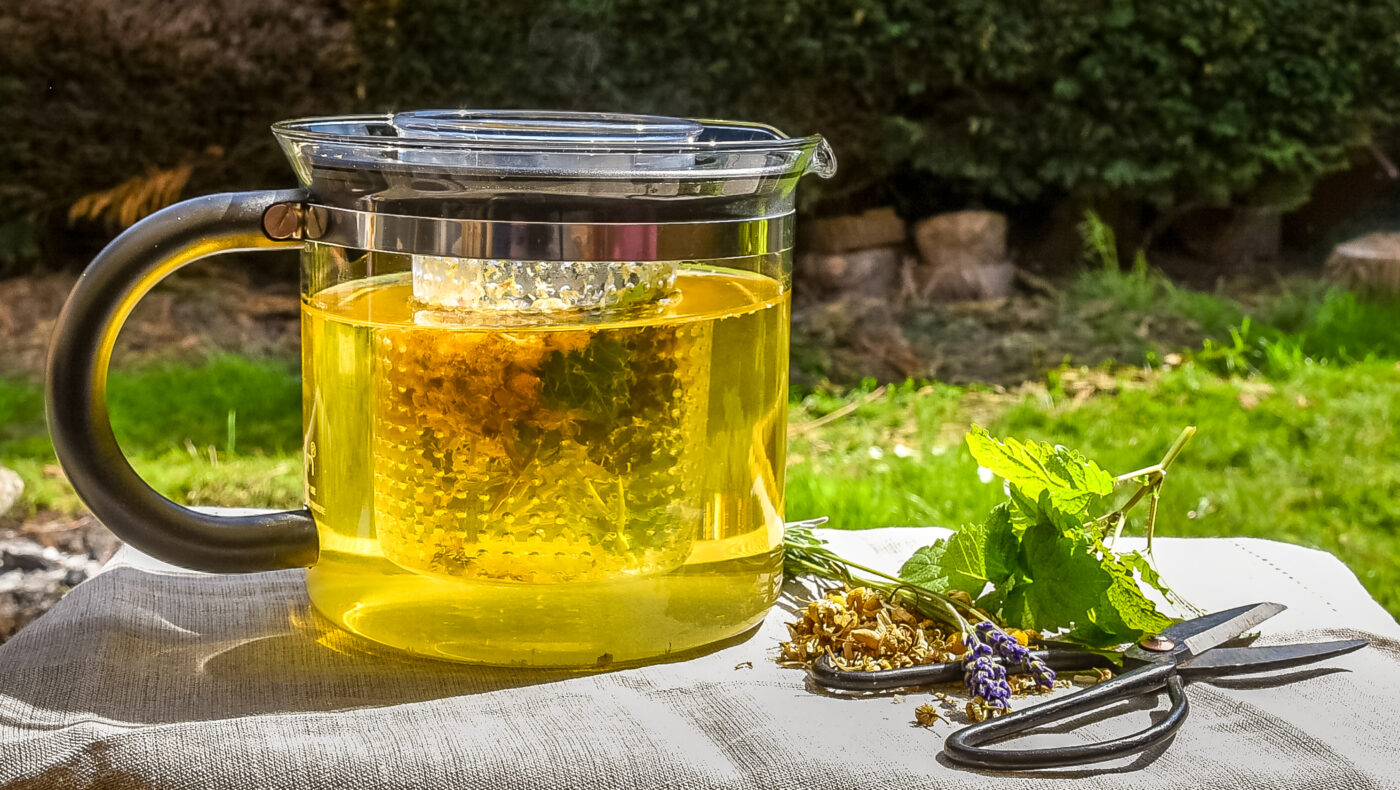
One patient had been coming to me for painful, heavy periods. The mix of herbs I had been dispensing had been very successful, but I decided to switch from prescribing a tincture to prescribing a tea. I felt that part of the therapeutic value of the herbs was in self-care, and the act of brewing and steeping a herb tea was a pleasant and calming act in itself. It would also enable the patient to feel as if they were doing something positive for themselves.
At each appointment she was describing the improvement of her symptoms, and I was making her tea mix with herbs that I had grown and dried myself. Then I discovered she was interested in growing herbs, and also that she had a garden. So I had an idea!
How would you like to grow your own medicinal herbs, I asked her?
She was very interested in the idea. We went through her prescription and discussed how she could do it. We found she had some of the plants already in her garden. And if she didn’t have any in her garden, I told her where she could harvest some during spring, and dry them and store them.
She had Yarrow, Calendula, and Rose in her garden. I explained where she could pick White Dead Nettle near the canal, and she had just bought a Lady’s Mantle plant. She had half her prescription growing already, why did she need to come to me and buy my herbs? Now she can make this prescription herself. This is not only very satisfying for her, but much cheaper.
Talking through the benefit of herbs to this patient, mixing up loose herb tea and explaining the additional actions of each plant, involves the patient into the journey a recovery in a positive way.
Ladies Mantle [treats menstrual pain, regulates menstrual cycle and tones uterus]
Yarrow [Pelvic circulatory stimulant, increases uterine tone, reduces bleeding]
White Dead Nettle [Regulates irregular periods]
Calendula [Circulatory stimulant, reduces excessive menstrual flow]
Rose [Calming, restoring, harmonises menstruation, tonic to reproductive system]
It must be said that I checked her past medical history, and that she had had pelvic examinations during a coil removal procedure recently and no ominous conditions had been discovered.
Now she can dispense her own herbal tea that addresses the pain and heavy flow that she had found so distressing each month. Although she can email me at any time should her symptoms change, she now has the knowledge and the ability to grow her own medicinal tea to help her and specific symptoms.
I don’t like the phrase self-empowerment, but if I had to use it I would use here.
She has become self-sufficient, she doesn’t need me.
She doesn’t need to pay me to make her up some medicine, and she doesn’t need to buy the herbs from anybody else. Although I have lost her as a patient, I have much more satisfaction in providing her with the ability to look after herself. Hopefully she’ll be able to pass this knowledge on to her daughter.
I don’t feel that when I prescribe medicinal plants for my patients that I’m giving a hand out. But I love ‘teaching them to fish’…
