

Try this instead of creams…
Our face is what the world sees, and we want to take care of it. Even if we are embracing the wrinkles that come with age, we don’t want our skin to be damage, tight, dry or sore.
The problem is, when buying creams, we don’t always look at the ingredients list in the same way that we do for food – but perhaps we should. If constituents in creams are absorbed through the skin, then enter the blood stream, they may avoid our digestive system, but they are still hurtling around in our blood vessels being offered to the millions of cells in our bodies.
There are many chemicals which are industrially synthesised that have passed human safety tests, and I do not want to give the impression that these chemicals will lead to serious health problems within months of applying them. But why put these things on our skin when they can’t possibly test what a random mix of these different things do to our organs 10-20 years down the line?
Just as an example, using face creams containing phenoxyethanol, potassium sorbate, and benzoic acid can have several implications that make these chemicals worth avoiding.
Phenoxyethanol
Phenoxyethanol is a widely used preservative in skincare products. It is added to prevent microbial growth, and may produce skin irritation and allergic reactions, mostly in people with sensitive skin. Prolonged exposure to phenoxyethanol can lead to dermatitis, producing redness, itching, and inflammation of the skin. Additionally, there are concerns about its potential neurotoxicity, which can affect the central nervous system, especially in infants and young children. The Environmental Working Group (EWG) has rated phenoxyethanol as a moderate hazard, which may make us cautious.
Potassium Sorbate
Potassium sorbate is another common preservative used to prevent cream going mouldy. Although it is generally considered safe, its synthetic nature may make people prefer natural ingredients. And, BTW, Potassium sorbate is most active at a pH of 4.4, which is lower than the skin’s natural pH. This difference can disrupt the skin’s acid ‘mantle’, provoking irritation and potential allergic reactions, even though this is rare.
Benzoic Acid
Benzoic acid preserves shelf life of creams preventing bacterial growth, but it can cause skin sensitivity and irritation, especially in people with delicate or compromised skin. Its synthetic origin again raises environmental and health concerns, as synthetic compounds can accumulate in the environment and contribute to pollution. And benzoic acid’s effectiveness is pH-dependent, and products containing it may need to have a lower pH, which can disrupt the skin’s natural balance and lead to dryness or irritation.
So!
When I started to make my own creams to avoid chemicals, I found that I still needed i] an emulsifier to keep the water and oil components together, and ii] some sort of preservative as, yes, it will go mouldy – and Vit E is not an effective preservative…
I was stumped until one of my students [who had previously trained in Chemistry] put me onto this idea:
- Apply a hydrosol [you can make these yourself or buy organic ones] of something like Rosewater. Spray it onto your face after washing with plain cold water. Let it dry.
- Then work in a face oil. You can make your own!
Here you have the components of a cream on your skin without any chemicals. They have just been applied separately, no mixing, no mould, no irritation…
I bought a lovely organic Rosewater spray which smells so nice, and I then made my own face oil like this:
I mix 20mls castor oil/20mls sweet almond oil/10mls sea buckthorn oil
- Castor oil is rich in ricinoleic acid, which has anti-inflammatory and moisturizing properties. It can help soothe irritated skin and promote a smooth, hydrated complexion.
- Sweet almond oil contains vitamins A, E, and fatty acids, making it a great moisturiser that can improve skin tone and texture, especially for dry and sensitive skin.
- Sea buckthorn oil is high in vitamins C and E, antioxidants, and omega fatty acids, these are supposed to give regeneration, hydration, and protection against environmental damage.
All these oils are available on Amazon [other sites are available] and work out a lot cheaper than the initial face oil I bought from Neal’s Yard.
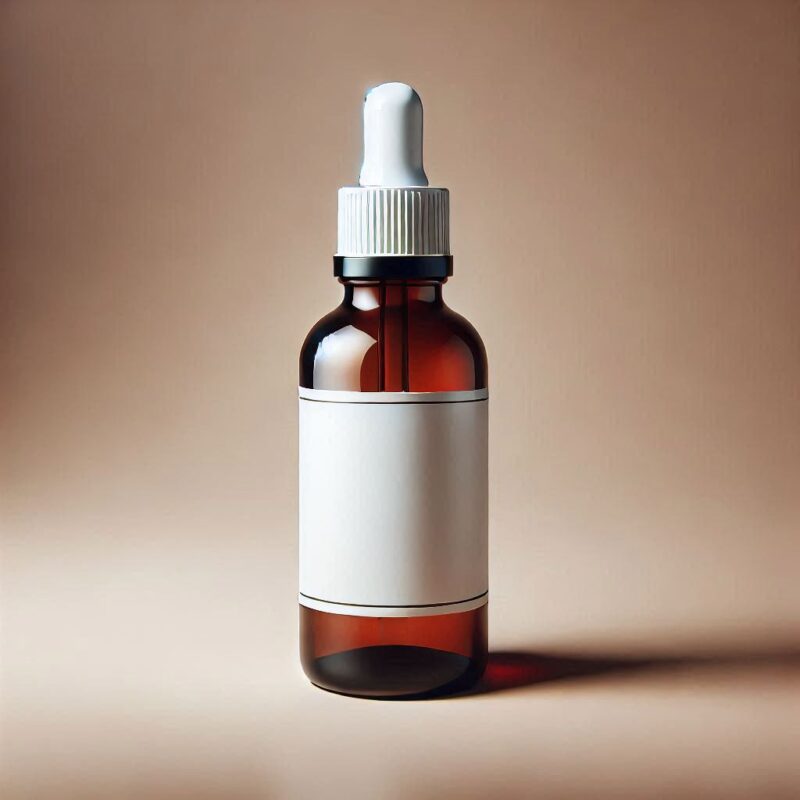
I mix the oils then put them in a 50mls dropper bottle – I think you can buy these from Baldwins.co.uk
If you want to chat about making stuff yourself you are welcome to join me on HerbWorks, a Membership for those interested in medicinal herbs and health in general. £9.99/month with articles, videos, and a live group chat once a month.
Our next group chat is on Tuesday 14th January at 10.00 GMT. Hope to see you there.
