
A deeper look at herbal medicine.
Many people think of herbal medicine as an alternative type of medicine to orthodox, or as complementary to orthodox treatment; like you must choose according to what your value system is, or world view.
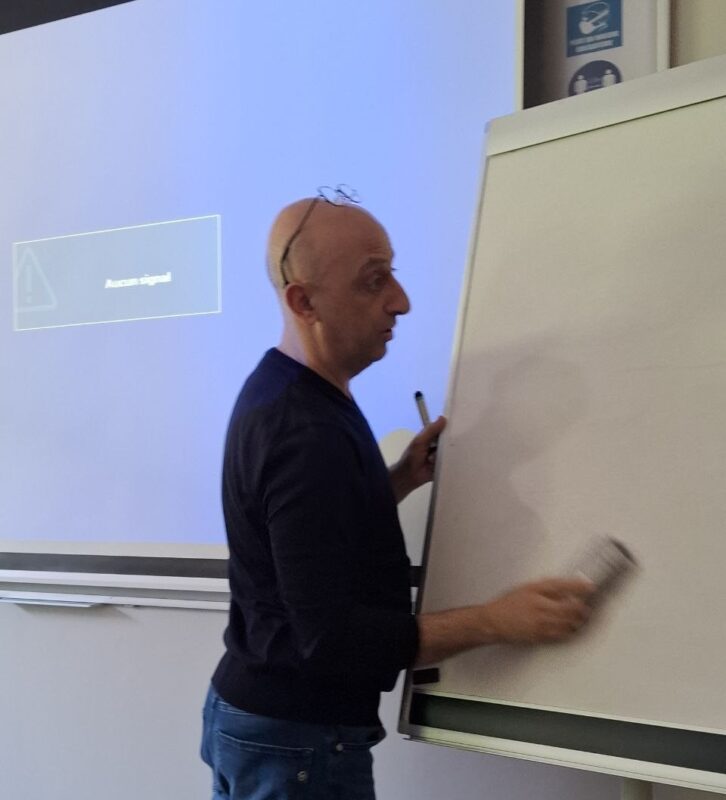
But Dr Charbel Abi Chahine* said to a group of us ‘it’s not alternative, it’s physiology…’ when he was talking to us at a seminar weekend in Brussels about Endobiogeny.
You might have two questions:
- What is Endobiogeny?
Endobiogeny is a medical model that uses a ‘systems biology’ perspective which looks at how hormones and the nervous system regulate the internal balance of the body. It uses medicinal herbs to influence these regulatory systems to nudge the body back into balance rather than concentrating on symptoms.
In herbal medicine, herbs are chosen for their actions, such as anti-inflammatory, calming, decongestant, demulcent, diuretic etc., and endobiogeny also employs these actions. But in addition, endobiogeny also selects herbs for how they influence the neuroendocrine system and help restore the body’s self-regulation.
It’s the same, but different.
- What did he mean?
In orthodox medicine physiology is studied and used as a basis for knowing what is supposed to go on in the body. Physiology is the branch of biology that studies how living organisms function and how all the parts of the body work together to keep us alive and well. It looks at processes like breathing, digestion, circulation, hormone release, and brain activity, aiming to understand the mechanisms behind health and disease.
Physiology explains how your heart pumps blood, how your lungs absorb oxygen, how your hormones regulate mood and energy, and how your nervous system helps you react to your environment. It explains connections between organs, cells, and systems, showing how the body maintains balance and adapts to change.
To be herbal medicine practitioners, we should know all this: it is how we can effectively treat our patients – we just use herbs rather than synthetic drugs. Herbal medicine focuses on using plants to support or treat specific symptoms or organ systems which often based on traditional knowledge, energetics, or pharmacological action. Endobiogenics does use specific blood tests to aid diagnosis but also concentrates on the physiology of the individual in front of them and places great importance on the childhood and past experiences of the patient which could have started a chain of events culminating in physical or mental ill health.
So, it’s different, but the same…
I would say that studying endobiogeny has deepened my knowledge of the inter-connectedness of the systems of the body through the means of nervous system stimulation and hormonal secretions, and what this means and how it happens.
To be fair, I feel like I have just dipped my toe in the water, and I really want to swim.
Endobiogeny isn’t for everyone, but if you would like to dip your toe in the water of herbal medicine with no commitment to study, then come join my HerbWorks where we chat about herbal medicine, and you can ask me specific questions. £9.99/month.
Our live chat next week [13th May] is all about what we can do for menopause symptoms.
*Dr. Charbel ABI CHAHINE
Specialist in Emergency Medicine
President of the Belgian Institute of Endobiogeny
Medical Supervisor
Consultant in Endobiogenic Medicine
